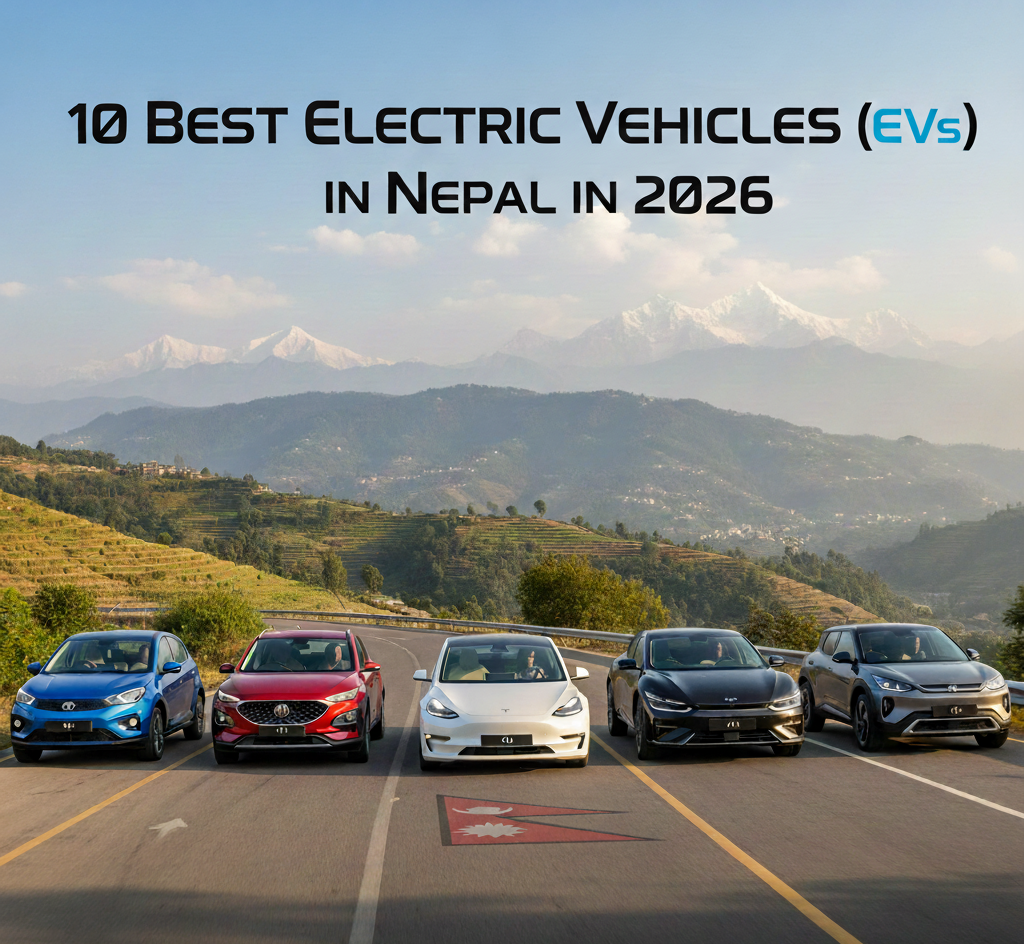
Electric Vehicles(EVs) in Nepal are no longer a distant dream, they’re quickly becoming a viable and popular choice for drivers in Nepal. With the global shift towards sustainability and clean energy, EVs are gaining momentum as the future of transportation in Nepal. As the government pushes for greener alternatives to combat pollution and reduce fuel dependency, the number of electric vehicles on Nepali roads is expected to skyrocket in the coming years.
By 2026, EVs will be more affordable, efficient, and accessible than ever before. From compact city cars to powerful SUVs, the range of electric vehicles in Nepal will cater to a variety of needs and budgets. In this guide, we’ll walk you through some of the best electric vehicles to consider in 2026, helping you make an informed decision for your next ride. Whether you’re looking for a budget-friendly option or a high-performance EV, this list covers a range of vehicles that will suit your lifestyle and the Nepali driving conditions.
Factors to Consider When Buying an EV in Nepal
When considering purchasing an Electric Vehicles(EVs) in Nepal, it’s important to evaluate several key factors to ensure your investment aligns with your needs and the local infrastructure. Here’s a breakdown of the most crucial factors to consider:
1. Price Range and Affordability
Price is one of the biggest barriers to EV adoption in Nepal. In 2026, the cost of popular EVs is expected to fall within the range of NPR 2.5 lakhs to NPR 80 lakhs (depending on the model and brand). Budget-friendly EVs, like the Tata Nexon EV, are likely to fall in the NPR 25-30 lakhs price range, while more premium models like the Tesla Model 3 may cost upwards of NPR 70 lakhs. With government incentives and rebates, these prices could be significantly reduced, making EVs more affordable for a larger section of the population.
2. Battery Range and Efficiency
- Battery range is a top consideration for Nepali consumers, especially with the country’s diverse geography. By 2026, most Electric Vehicles(EVs) in Nepal will offer a range of 200 km to 450 km on a full charge. For example:
- The Hyundai Kona Electric offers a range of 452 km, making it an excellent choice for those in cities like Kathmandu and Pokhara.
- Budget models like the Tata Nexon EV will provide around 312 km of range on a single charge, which is more than enough for urban commuting.
- Real-World Impact: Considering the average daily commute in Nepal is around 15-20 km in cities, a range of 200-400 km is sufficient for most consumers, with the added benefit of occasional longer road trips without frequent recharging.
3. Charging Infrastructure and Availability
Charging infrastructure in Nepal is still in its early stages but is growing rapidly. As of 2025, there are around 100+ public EV charging stations in major cities like Kathmandu and Pokhara. By 2026, this number is expected to increase significantly to 1,250+ charging stations, especially in urban areas.
- Charging Time: Fast-charging stations can recharge your EV to 80% in about 1 hour (depending on the model and station). Home chargers typically take 6-8 hours for a full charge, which is ideal for overnight charging.
- Impact on Buyers: If you live in Kathmandu, you can expect to find charging stations within a 5-10 km radius, while in rural areas, you might need to rely on home charging or plan longer trips to reach a public station.
4. Government Incentives and Support
- The Nepali government has been offering significant tax rebates and incentives for electric vehicles. For instance:
- Import Duty Reduction: Electric Vehicles(EVs) in Nepal enjoy a 30-40% reduction in import duties, making them more affordable compared to traditional internal combustion engine (ICE) vehicles.
- Exemption from Road Tax: Many EVs are exempt from road taxes, reducing the total cost of ownership.
- Additional Incentives: In 2026, it is expected that the government will continue offering up to 10-15% rebates on the purchase of EVs to encourage adoption.
- These incentives not only reduce the upfront cost but also make EVs a more attractive and cost-effective option for consumers in Nepal.
5. Maintenance and After-Sales Service
- One of the advantages of EVs is their low maintenance needs. EVs have fewer moving parts than traditional vehicles, which means:
- Maintenance costs for EVs are generally 30-40% lower than their internal combustion engine counterparts.
- Tire replacements, brake maintenance, and battery checks are the most common forms of maintenance, with the first major battery replacement typically needed after 8-10 years or around 100,000 km.
- After-Sales Service: By 2026, major EV manufacturers like Tata Motors, Hyundai, and Nissan are expected to have expanded their service centers, with 5-10 centers in key cities. It’s crucial to ensure that the brand you choose offers reliable service in your location.
6. Performance and Driving Experience
- Performance can vary significantly across EV models, especially in terms of acceleration and handling:
- 0-100 km/h acceleration: Popular models like the Hyundai Kona Electric can accelerate from 0-100 km/h in just 7.6 seconds, while more affordable models like the Tata Nexon EV offer a slightly slower 9.9 seconds acceleration.
- Top Speed: The Tesla Model 3 boasts a top speed of around 225 km/h, while budget EVs typically max out around 120-150 km/h, which is more than sufficient for regular driving in Nepal.
- Performance Consideration: EVs in Nepal are well-suited for the country’s road conditions, providing smooth rides in urban areas and adequate power for hilly terrain.
Top Electric Vehicles(EVs) in Nepal in 2026
In 2026, the EV market in Nepal will see a variety of options, from budget-friendly electric cars to premium electric SUVs. Here’s a look at the first three electric vehicles that are expected to dominate the market in Nepal, based on their features, performance, and value for money.
1. Tata Nexon EV
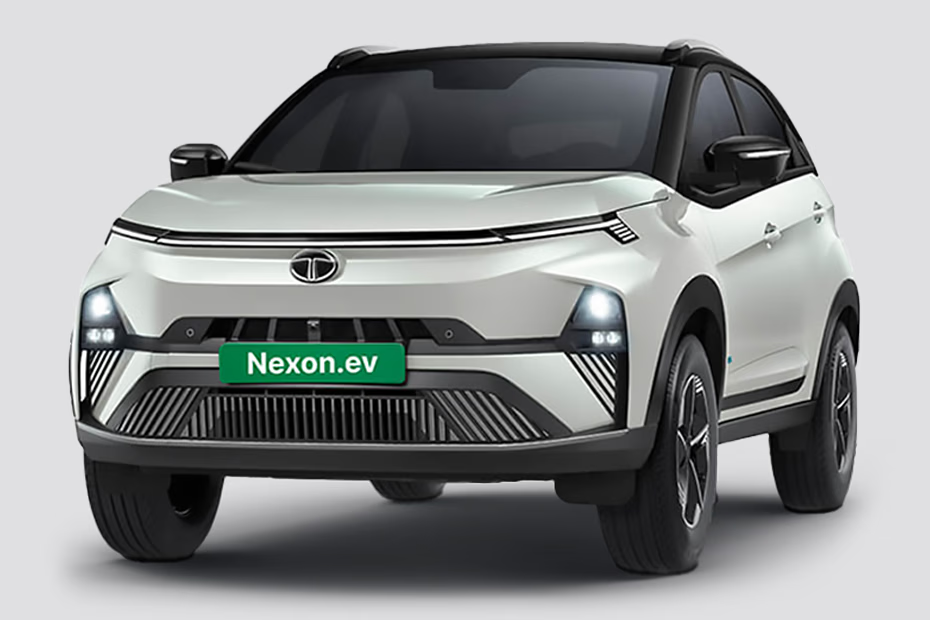
- Price: NPR 25-30 Lakhs (Expected)
- Battery Range: 312 km (on a single charge)
- Key Features:
- Electric SUV with a compact and sporty design.
- Fast charging: 0 to 80% in about 1 hour at fast-charging stations.
- Connected features like remote diagnostics, vehicle location tracking, and telematics via the Tata Smart app.
- 5-star Global NCAP safety rating.
- Performance:
- 0-100 km/h in 9.9 seconds.
- Power: 129 PS (95 kW).
- Top speed of 120 km/h, sufficient for urban and highway driving.
- Pros:
- Affordable and great value for money.
- Spacious interior, making it ideal for families.
- Strong safety features.
- Cons:
- Slightly slower acceleration compared to premium models.
- Limited top speed, but adequate for Nepal’s road conditions.
The Tata Nexon EV is a standout in the budget-friendly EV segment, offering a solid range, great safety features, and a well-rounded driving experience at a reasonable price point for Nepali consumers.
2. Hyundai Kona Electric
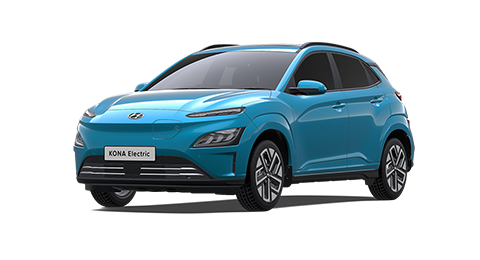
- Price: NPR 50-55 Lakhs (Expected)
- Battery Range: 452 km (on a single charge)
- Key Features:
- Premium electric SUV with a sleek, modern design.
- Fast charging: 80% charge in about 1 hour at fast chargers.
- 6 airbags, electronic stability control, and advanced driver assistance systems.
- 7-year warranty on the battery.
- Performance:
- 0-100 km/h in 7.6 seconds.
- Power: 136 PS (100 kW).
- Top speed of 167 km/h, which makes it suitable for both city and highway driving.
- Pros:
- Long range—ideal for longer trips across Nepal.
- Premium build quality and advanced features.
- Superior performance and smooth ride quality.
- Cons:
- Higher price compared to local brands like Tata.
- Limited availability of charging stations in rural areas.
The Hyundai Kona Electric is perfect for those looking for a premium, long-range EV that can handle both urban commutes and longer road trips in Nepal. Its advanced features and solid performance make it a top contender for 2026.
3. MG ZS EV
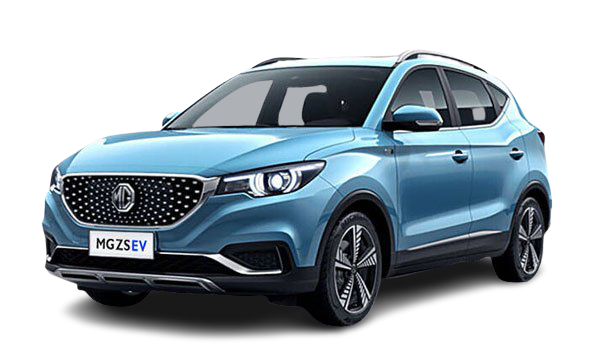
- Price: NPR 40-45 Lakhs (Expected)
- Battery Range: 419 km (on a single charge)
- Key Features:
- Compact SUV design with stylish looks.
- Fast charging: 80% charge in 1 hour at fast charging stations.
- MG i-SMART system for connectivity, providing remote diagnostics, navigation, and more.
- Advanced safety with 6 airbags, ESC, and lane-keep assist.
- Performance:
- 0-100 km/h in 8.5 seconds.
- Power: 143 PS (105 kW).
- Top speed of 150 km/h, offering a good balance between city and highway driving.
- Pros:
- Affordable price for a long-range EV with a premium feel.
- Excellent ride quality and comfort for Nepali roads.
- Impressive safety features and tech.
- Cons:
- Slightly lower top speed compared to premium models like the Kona.
- Availability of service centers could be limited outside major cities.
The MG ZS EV is a solid choice for those who want a well-priced, high-performance EV with great features and an impressive range. It’s particularly suited for families and urban drivers who enjoy a blend of technology, safety, and value.
4. Nissan Leaf
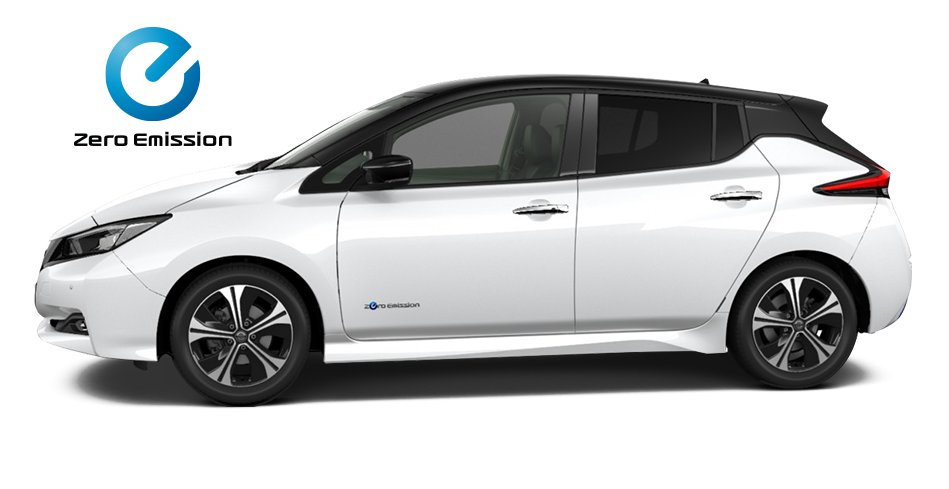
- Price: NPR 45-50 Lakhs (Expected)
- Battery Range: 270 km (on a single charge)
- Key Features:
- Compact design suitable for city driving.
- ProPILOT Assist for semi-autonomous driving, making it a tech-savvy choice.
- Advanced safety features such as automatic emergency braking and rear cross-traffic alert.
- Apple CarPlay and Android Auto for seamless smartphone integration.
- Performance:
- 0-100 km/h in 7.9 seconds.
- Power: 150 PS (110 kW).
- Top speed of 144 km/h, offering a balanced performance for urban and suburban driving.
- Pros:
- Affordable pricing for a globally recognized EV.
- Reliable and low-maintenance vehicle with a trusted brand history.
- Excellent tech features and safety.
- Cons:
- Limited range compared to newer competitors, but sufficient for city driving.
- Slightly outdated styling compared to other modern EVs.
The Nissan Leaf remains one of the most iconic EVs in the world, offering reliable performance, an impressive safety suite, and smart technology. It’s a great option for city commuters in Nepal who want a well-established, low-maintenance EV.
5. BYD Atto 3
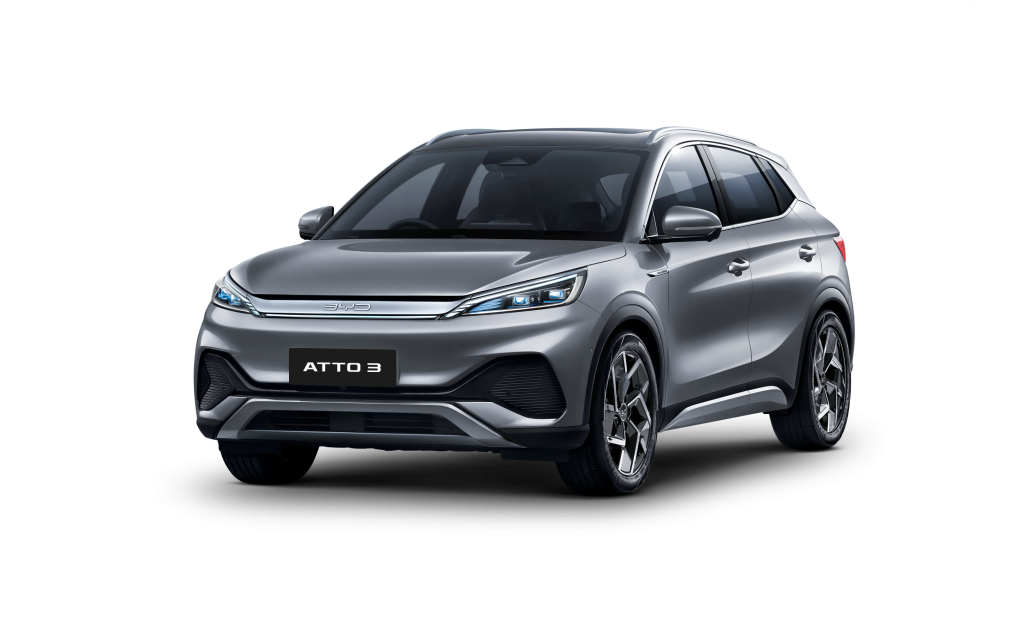
- Price: NPR 35-40 Lakhs (Expected)
- Battery Range: 420 km (on a single charge)
- Key Features:
- Sleek SUV design with a spacious interior and modern aesthetic.
- BYD Blade Battery technology for improved safety and long lifespan.
- Fast charging: 0 to 80% in about 1 hour.
- Features like 360-degree camera, adaptive cruise control, and lane assist.
- Performance:
- 0-100 km/h in 8.2 seconds.
- Power: 204 PS (150 kW).
- Top speed of 160 km/h, offering excellent highway performance.
- Pros:
- Long range suitable for both city driving and longer trips.
- Competitive pricing for an SUV with advanced features.
- High safety standards and innovative battery technology.
- Cons:
- Availability may be limited outside urban centers.
- Relatively new brand in Nepal, meaning after-sales service might be less widespread.
The BYD Atto 3 is an exciting option in the mid-range EV market, offering a long range and modern tech features. It’s ideal for those who want a stylish SUV with great performance, and the Blade Battery technology adds an extra layer of reliability.
6. Volvo XC40 Recharge
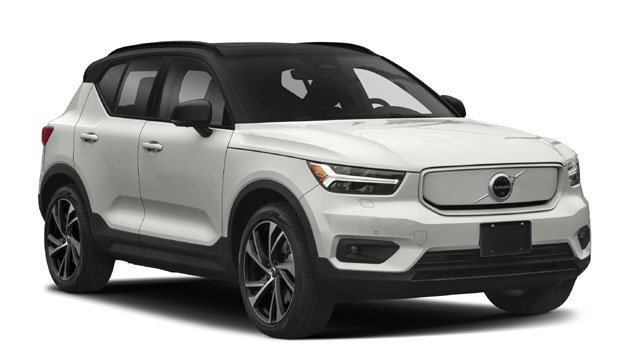
- Price: NPR 70-75 Lakhs (Expected)
- Battery Range: 400+ km (on a single charge)
- Key Features:
- Premium design and interior quality, featuring sustainable materials.
- Google Assistant integration for voice-controlled navigation and media.
- Advanced driver assistance systems, including Pilot Assist and 360-degree camera.
- Fast charging: 80% in 40 minutes.
- Performance:
- 0-100 km/h in 4.9 seconds.
- Power: 408 PS (300 kW).
- Top speed of 200 km/h, making it one of the highest-performing EVs on this list.
- Pros:
- Excellent range and performance, especially suited for those who want both luxury and performance.
- Sustainable and luxurious interior with cutting-edge tech.
- Strong brand reputation and after-sales support.
- Cons:
- Very high price point, making it less accessible for the average Nepali buyer.
- Service centers may be limited to major cities like Kathmandu.
The Volvo XC40 Recharge is a top-tier premium EV that combines luxury, performance, and sustainability. It’s perfect for those who want a high-end driving experience with strong eco-friendly features.
7. Ford Mustang Mach-E
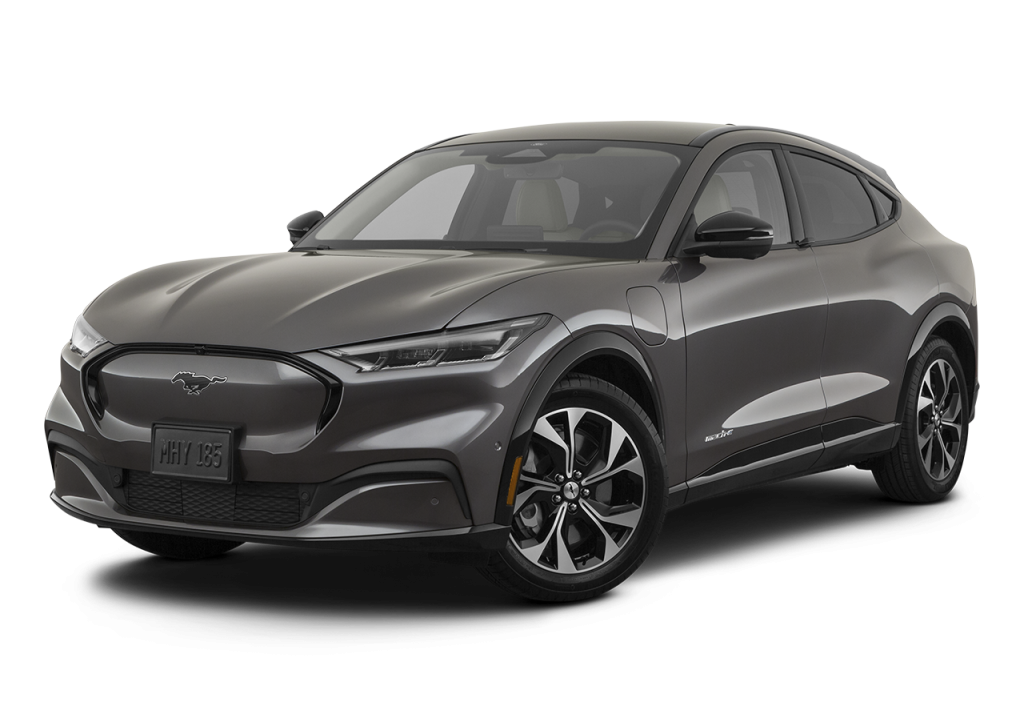
- Price: NPR 65-70 Lakhs (Expected)
- Battery Range: 400+ km (on a single charge)
- Key Features:
- Sporty SUV design with a muscle-car heritage.
- Advanced Ford Co-Pilot360 safety features, including adaptive cruise control, lane-keeping assist, and automatic emergency braking.
- SYNC 4A system with a 15.5-inch touchscreen, voice recognition, and Apple CarPlay integration.
- Fast charging: 80% charge in 45 minutes at DC fast-charging stations.
- Performance:
- 0-100 km/h in 3.5 seconds (for the high-performance model).
- Power: 332 PS (250 kW).
- Top speed of 180 km/h, offering a thrilling driving experience.
- Pros:
- Impressive performance with quick acceleration and high-speed capability.
- A great blend of luxury and performance in an electric SUV.
- Comprehensive safety features for enhanced peace of mind.
- Cons:
- High price point, making it a premium choice.
- Not as widely available in Nepal yet, with limited service centers outside major cities.
The Ford Mustang Mach-E brings a high-performance electric SUV to the market with thrilling acceleration and a strong tech suite, perfect for those who want a performance-oriented EV that still retains the Mustang spirit.
8. Audi e-tron
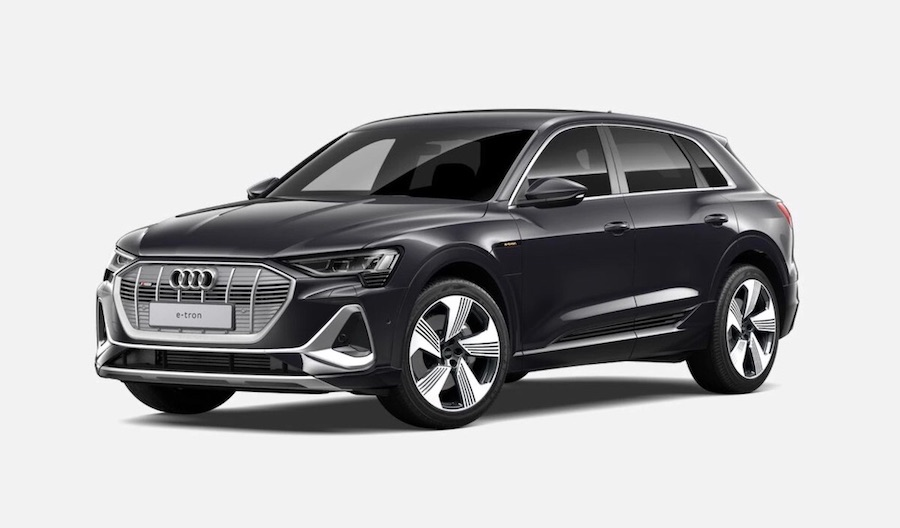
- Price: NPR 90-95 Lakhs (Expected)
- Battery Range: 400+ km (on a single charge)
- Key Features:
- Luxury electric SUV with a spacious and sophisticated design.
- Quattro all-wheel drive, ensuring superior traction and handling, even on Nepali hills.
- Advanced safety with adaptive cruise control, lane-assist, and pre-sense collision warning.
- Fast charging: 80% in 30 minutes at a DC fast charger.
- Performance:
- 0-100 km/h in 5.7 seconds.
- Power: 360 PS (265 kW) with an option for higher-performance variants.
- Top speed of 200 km/h, making it one of the most performance-oriented EVs.
- Pros:
- Luxury features and performance combined in a premium SUV.
- Well-suited for Nepal’s rugged terrain with all-wheel drive.
- Superb build quality and brand reputation.
- Cons:
- High price, suitable mostly for luxury buyers.
- Limited availability and service centers in rural areas.
The Audi e-tron is an excellent option for luxury EV buyers who want a premium driving experience combined with the reliability of Audi’s engineering, making it ideal for high-end consumers in Nepal looking for comfort, style, and performance.
9. Kia EV6
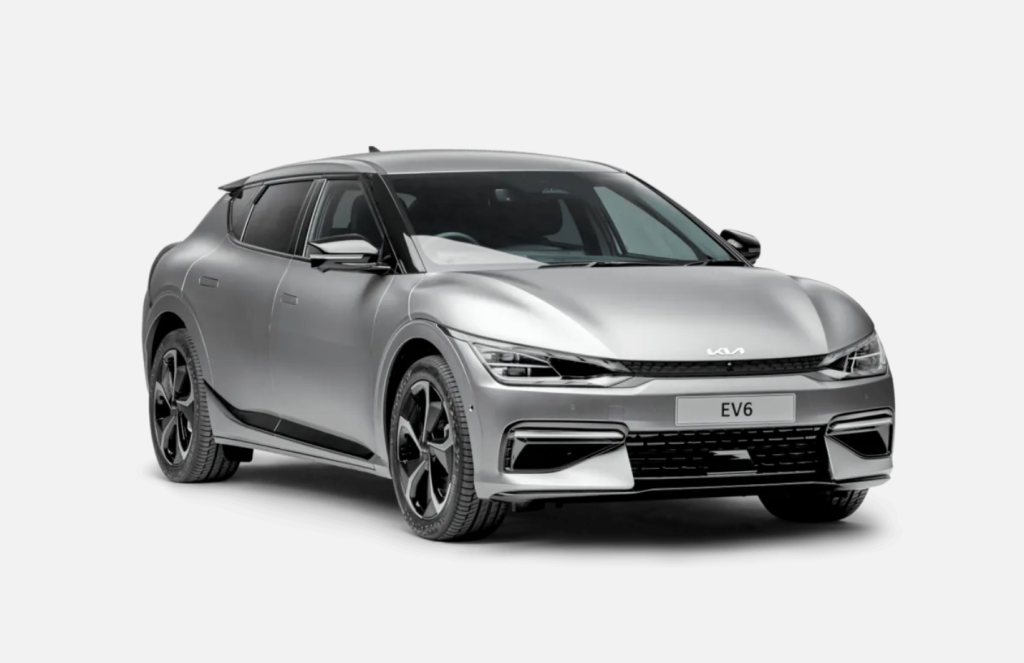
- Price: NPR 70-75 Lakhs (Expected)
- Battery Range: 510 km (on a single charge)
- Key Features:
- Futuristic design with a sleek, coupe-like SUV look.
- Ultra-fast charging: 10-80% in 18 minutes (at 350 kW ultra-fast chargers).
- Advanced driver assistance features including lane-keep assist, adaptive cruise control, and remote smart parking assist.
- 12.3-inch dual curved display with the latest infotainment technology and wireless connectivity.
- Performance:
- 0-100 km/h in 5.1 seconds.
- Power: 325 PS (240 kW) in the base model, with higher-performance variants available.
- Top speed of 190 km/h, providing excellent highway performance.
- Pros:
- Exceptional range of 510 km, one of the highest in its class.
- Cutting-edge technology and a high-tech infotainment system.
- Stunning design that stands out on the road.
- Cons:
- Price makes it more suitable for higher-end buyers.
- Limited availability in rural areas, with a potential need for additional charging infrastructure.
The Kia EV6 is a tech-forward, high-range electric vehicle designed for those looking for luxury, design, and technology in an eco-friendly package. It’s perfect for those who want the latest features and longer-range capabilities without compromising on style.
10. Tesla Model 3
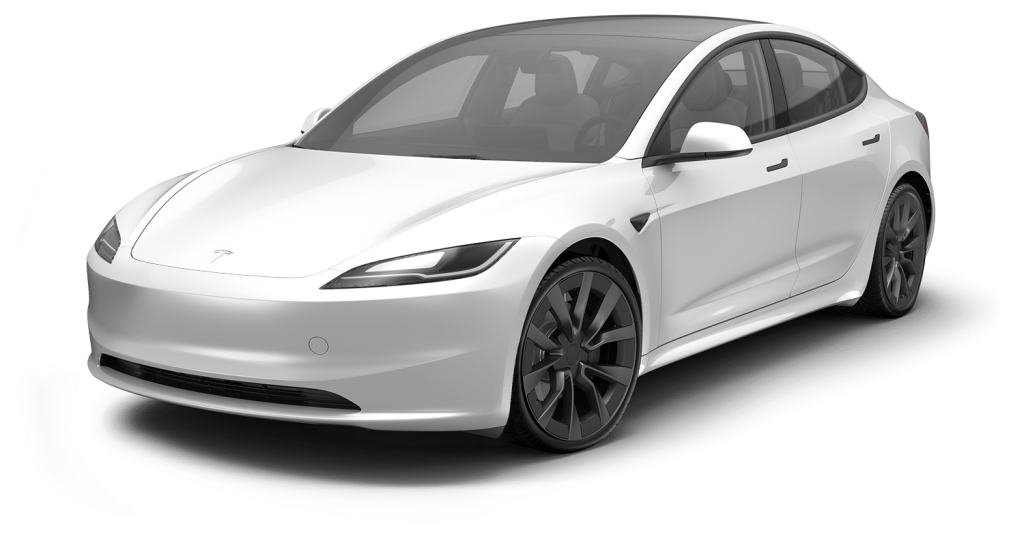
- Price: NPR 75-80 Lakhs (Expected)
- Battery Range: 423 km (on a single charge)
- Key Features:
- Sleek, minimalist design with high-tech features like a 15-inch touchscreen.
- Autopilot capabilities for semi-autonomous driving, including lane-keeping, adaptive cruise control, and automatic lane changes.
- Over-the-air software updates, ensuring the car remains updated with the latest features and performance improvements.
- Fast charging: 80% in 30 minutes using Tesla’s Supercharger network.
- Performance:
- 0-100 km/h in 3.1 seconds (Performance version).
- Power: 450 PS (335 kW).
- Top speed of 261 km/h, offering outstanding acceleration and highway performance.
- Pros:
- Incredible acceleration and performance—one of the fastest EVs in the world.
- Best-in-class tech with features like Autopilot and regular software updates.
- Extensive Supercharger network and fast charging infrastructure.
- Cons:
- High price point, making it less accessible for budget-conscious buyers.
- Limited service centers outside major cities, which may impact after-sales support in rural areas.
The Tesla Model 3 remains the benchmark for performance, technology, and luxury in the electric vehicle market. With autonomous driving features and the highest acceleration rates in its class, the Model 3 offers unmatched driving excitement, making it a top choice for those who want the ultimate EV experience in 2026.
How EVs are Changing the Future of Transportation in Nepal
The transition to electric vehicles (EVs) in Nepal is not just a trend, it’s a transformative shift in how the country approaches transportation. As Nepal moves toward a more sustainable future, EVs are playing a critical role in reducing pollution, decreasing reliance on fossil fuels, and providing a cleaner, greener alternative for both urban and rural areas. Here’s how EVs are poised to revolutionize Nepal’s transportation landscape by 2026 and beyond:
1. Environmental Impact: A Cleaner, Greener Nepal
One of the most significant contributions of electric vehicles to Nepal is their positive environmental impact. The adoption of EVs can drastically reduce the country’s carbon emissions from the transportation sector, which is a major contributor to air pollution in cities like Kathmandu and Pokhara.
Air Quality Improvement: EVs produce zero tailpipe emissions, meaning no exhaust fumes that contribute to air pollution. This is particularly important in urban areas where traffic congestion and air pollution have become serious issues.
Reduction in Noise Pollution: EVs are also significantly quieter than traditional vehicles, which will help reduce noise pollution, especially in densely populated urban areas.
Stats: By switching to EVs, it’s estimated that Nepal could reduce its transport-related carbon emissions by 30-40% by 2030. This is a significant step toward meeting the country’s environmental goals and supporting global sustainability targets.
2. Economic Benefits: Reducing Fuel Imports and Creating Jobs
The shift to EVs presents notable economic benefits for Nepal:
Reduced Dependence on Imported Fuel: Nepal spends a substantial amount on importing petroleum products, which heavily impacts the country’s economy. By adopting EVs, Nepal can reduce its dependency on imported fuels, which will help stabilize the country’s economy and conserve foreign exchange reserves.
Current Impact: Nepal spends approximately USD 1.5 billion annually on fuel imports. A transition to electric vehicles can help save a portion of this amount, which could be reinvested into local infrastructure and development.
Local Job Creation: The rise of the EV industry will stimulate job creation in various sectors including EV manufacturing, charging infrastructure development, vehicle maintenance, and research and development. This can provide new employment opportunities and boost the local economy.
3. Government Incentives and Policy Support
The Nepali government has recognized the importance of EVs in achieving a sustainable and green future. In recent years, the government has introduced several incentives and policies to support the adoption of electric vehicles:
- Import Duty Reduction: EVs benefit from a 30-40% reduction in import duties, making them more affordable for Nepali buyers.
- Tax Rebates and Exemptions: The government has introduced tax rebates for EV owners, including road tax exemptions and rebates on vehicle registration.
- Charging Infrastructure Expansion: The government has also invested in expanding the EV charging infrastructure across the country. As of 2026, there are expected to be over 500 public charging stations in major cities, helping to alleviate concerns about charging availability and boosting consumer confidence.
Projected Growth: With these government initiatives, the EV market in Nepal is expected to grow by 15-20% annually over the next decade, making it one of the fastest-growing electric vehicle markets in South Asia.
4. Improved Energy Efficiency and Cost Savings
- EVs offer improved energy efficiency compared to traditional vehicles. An electric car is typically 3-4 times more efficient than its gasoline-powered counterpart, meaning that it uses less energy to travel the same distance. This translates into lower operating costs for EV owners.
- Lower Fuel Costs: The cost of charging an EV in Nepal is significantly lower than refueling a conventional vehicle. In addition, many homes are adopting solar-powered charging stations, which can further reduce electricity costs.
- Lower Maintenance Costs: EVs have fewer moving parts and require less maintenance than traditional vehicles. There are no oil changes, fewer brake replacements, and fewer overall repairs, which translates into lower lifetime maintenance costs for EV owners.
Statistical Insight: Over the 5-10 years of ownership, an EV can save a Nepali consumer approximately NPR 50,000 to NPR 75,000 in fuel and maintenance costs compared to traditional internal combustion engine vehicles
5. Public Transportation and Mobility Solutions
The adoption of EVs in public transportation and shared mobility services is expected to grow rapidly by 2026:
- Electric Buses and Taxis: The government has already started testing electric buses in cities like Kathmandu, with plans to deploy 100+ electric buses by 2026. This shift will help reduce air pollution in urban areas and provide affordable, eco-friendly transportation options for the public.
- Electric Two-Wheelers and Ride-Sharing: Electric two-wheelers and ride-sharing services like electric tuk-tuks are gaining popularity in cities like Kathmandu, offering an affordable, sustainable transportation option for daily commuters.